
AI CRM: The Business Case for Intelligent Patient Communication
AI CRM is redefining patient communication for aesthetic practices, plastic surgery clinics, and medical spas. Patients today expect instant, personalized...


The latest news and expert insights for aesthetic practices.
Published on: July 27, 2026
Go Back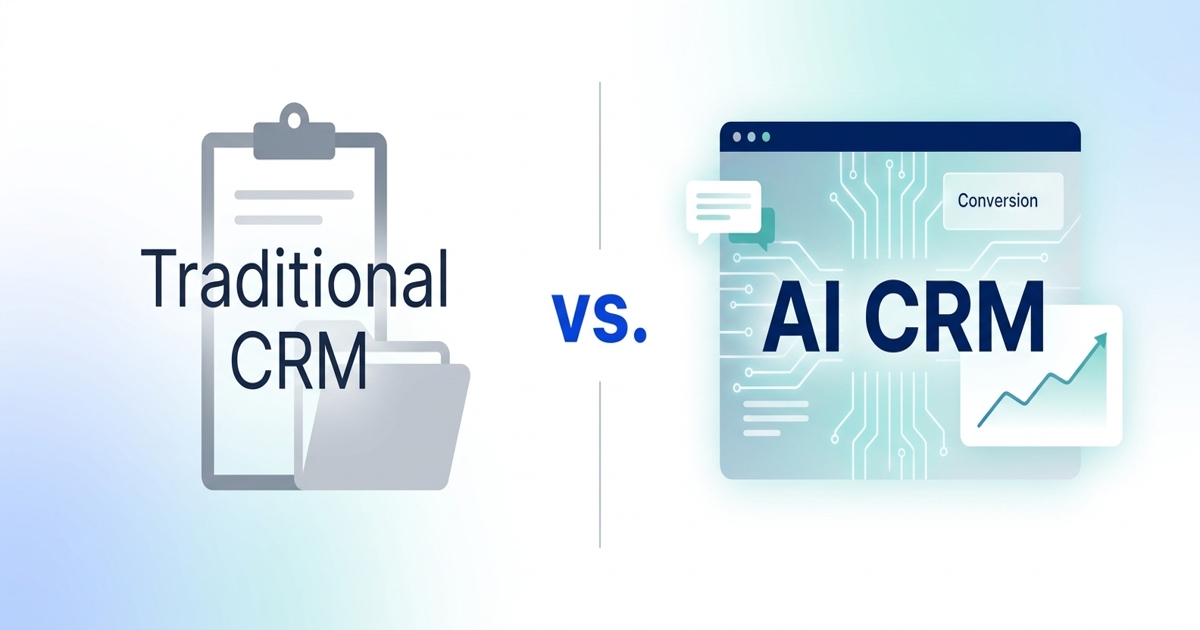
AI CRM is reshaping how plastic surgery and aesthetic practices manage patient relationships, respond to inquiries, and convert leads into booked consultations. Traditional CRM platforms have long served as the backbone of patient contact management. But in an era where patients expect immediate, personalized responses across multiple channels, the question is no longer whether your practice needs a CRM. The real question is whether your current CRM is doing enough to support measurable business growth. This article breaks down the key differences between AI CRM and traditional CRM, with a focus on patient conversion outcomes that matter most to modern aesthetic practices.
Traditional CRM systems were built to store patient contact information, document interactions, and track appointment histories. For many practices, they represented a significant step forward from spreadsheets and manual records. They provide a structured database for patient profiles, communication logs, and treatment histories that staff can reference during consultations and follow-up calls.
Traditional CRM platforms remain effective for organizing large volumes of patient records in a centralized, searchable format. They support manual follow-up tracking, appointment reminders through basic scheduling integrations, and reporting on historical data. For practices with smaller inquiry volumes and dedicated administrative staff, traditional CRM provides a reliable foundation for managing patient relationships. Staff can document consultations, tag patient preferences, and maintain a clear record of every interaction over time.
The core limitation of traditional CRM is that it is passive. It waits for staff to input data, initiate follow-ups, and manually respond to inquiries. In high-volume aesthetic practices, this creates critical gaps. Leads that arrive outside business hours go unanswered. Inquiries from social media, website chat, or SMS fall through the cracks. Staff spending time on manual data entry and routine follow-up tasks have less capacity for high-value patient interactions. According to research highlighted by Harvard Business Review, responding to a lead within the first hour is significantly more likely to result in conversion than responding even a few hours later. Traditional CRM provides no mechanism to meet that standard consistently.
An AI CRM platform combines the organizational capabilities of traditional CRM with intelligent automation, conversational AI, and predictive analytics. Rather than waiting for staff to take action, AI CRM actively participates in the patient journey from the moment an inquiry is submitted.
An AI chatbot for plastic surgery clinics can engage website visitors and social media inquiries in real time, answer common questions, collect patient details, and guide prospects toward booking a consultation. This happens instantly, around the clock, without requiring staff involvement. Conversational AI ensures that no inquiry is ignored, regardless of when it arrives or how busy the front desk may be. Practices using Cosmasol’s AI-powered features can deploy intelligent patient communication across all major channels simultaneously.
AI CRM automates repetitive communication tasks including appointment reminders, follow-up sequences, post-consultation check-ins, and re-engagement messages for inactive leads. Rather than relying on staff to remember and execute these touchpoints manually, the system triggers them based on patient behavior and defined workflow rules. This reduces administrative burden and ensures consistent outreach that supports patient conversion at every stage of the journey.
AI CRM analyzes behavioral data, inquiry history, and engagement patterns to score and prioritize leads based on their likelihood to convert. Staff are directed toward the highest-potential prospects rather than working through an undifferentiated list. According to McKinsey’s State of AI report, AI adoption is driving measurable improvements in productivity, customer engagement, and operational efficiency across industries including healthcare. Predictive intelligence is one of the primary drivers of those gains.
An AI answering service for plastic surgery clinics ensures that patients receive an immediate, intelligent response the moment they reach out. Whether the inquiry comes through a website form, phone call, SMS, or social media message, AI CRM routes and responds in real time. This level of responsiveness aligns with what patients now expect. Research from Salesforce’s State of the Connected Customer confirms that customers expect immediate, personalized, and consistent interactions across every communication channel.
The following breakdown compares both platforms across the dimensions that matter most to aesthetic and plastic surgery practices evaluating a CRM investment.
Traditional CRM depends on staff availability to respond to new inquiries. During evenings, weekends, or peak hours, response times stretch to hours or days. AI CRM responds to every inquiry instantly using conversational automation, ensuring no lead waits beyond seconds for an initial engagement.
Traditional CRM supports manual outreach through email or phone when staff initiate contact. AI CRM delivers omnichannel communication across SMS, email, website chat, and social media with personalized messaging triggered by patient behavior and journey stage.
In traditional CRM, lead qualification depends on staff manually reviewing and categorizing inquiries. AI CRM uses behavioral scoring and data analysis to automatically assess lead quality and prioritize outreach toward the prospects most likely to convert.
Traditional CRM requires staff to schedule and execute follow-up tasks manually. AI CRM automates multi-step follow-up sequences based on lead status, ensuring consistent nurturing without relying on individual staff discipline or capacity.
Traditional CRM integrates with scheduling systems but relies on staff to confirm and manage bookings. AI CRM supports intelligent self-scheduling, automated reminders, and real-time calendar management that reduces no-shows and administrative workload simultaneously.
Traditional CRM generates historical reports based on data staff have manually entered. AI CRM delivers real-time, predictive analytics that help practices identify conversion bottlenecks, track campaign performance, and forecast inquiry volumes to support operational planning.
Traditional CRM adds to staff workload through manual data entry, follow-up execution, and inquiry management. AI CRM reduces administrative load by automating routine tasks, allowing staff to focus on consultations, patient relationships, and revenue-generating activities.
Traditional CRM scales by adding staff capacity. AI CRM scales through automation, maintaining consistent response quality and outreach volume whether the practice handles 50 or 5,000 monthly inquiries without proportional increases in staffing costs.
Traditional CRM supports patient management but has limited direct influence on conversion outcomes. AI CRM actively drives patient conversion through faster responses, personalized engagement, intelligent follow-up, and predictive lead prioritization that together reduce missed opportunities and increase booked consultations.
| Category | Traditional CRM | AI CRM |
| Lead Response Speed | Manual, hours to days | Instant, 24/7 automated |
| Patient Communication | Single channel, manual | Omnichannel, personalized |
| Lead Qualification | Manual staff review | Automated scoring |
| Follow-Up Automation | Staff-dependent | Fully automated sequences |
| Appointment Scheduling | Manual confirmation | Intelligent self-scheduling |
| Analytics and Insights | Historical reporting | Real-time predictive analytics |
| Staff Productivity | High manual workload | Automated task reduction |
| Scalability | Requires additional staff | Scales through automation |
| Business Impact | Passive management | Active conversion driver |
The impact of AI CRM on patient conversion is not theoretical. It is measurable and tied to specific operational improvements that address the most common points of lead loss in aesthetic practices.
The American Medical Association highlights that AI and digital health technologies are actively improving patient engagement and healthcare operations, reinforcing the strategic value of adopting intelligent platforms at the practice level.
Not every practice is at the same stage of growth, but certain signals indicate that a traditional CRM is no longer sufficient to support the business effectively.
Deloitte’s healthcare outlook identifies AI, automation, and digital transformation as major drivers of operational performance and patient experience improvement. Practices that delay adoption risk falling behind competitors who are already capturing more leads with fewer resources.
When evaluating CRM platforms for your practice, these questions help separate passive management tools from active conversion platforms.
The trajectory of CRM in healthcare is clear. Platforms are evolving from static databases into intelligent engagement ecosystems that participate actively in the patient journey.
Natural language processing is becoming more sophisticated, enabling AI chatbots to handle increasingly complex patient inquiries with accuracy and empathy that mirrors human communication.
Future platforms will anticipate patient needs before inquiries are submitted, using behavioral data and historical patterns to trigger proactive outreach at the optimal moment in the decision journey.
AI-powered voice systems will manage inbound and outbound calls, qualify leads, schedule consultations, and handle routine patient questions without requiring front-desk staff intervention.
AI will increasingly coordinate cross-functional workflows including billing, documentation, follow-up, and scheduling in unified platforms that eliminate the inefficiency of disconnected systems.
The most competitive practices will operate on unified systems where CRM, EMR, scheduling, analytics, and AI communication work together as one integrated platform rather than a collection of separate tools.
Traditional CRM remains a useful foundation for organizing patient information and documenting interactions. However, for practices serious about improving patient conversion, operational efficiency, and long-term competitiveness, traditional CRM alone is no longer sufficient. AI CRM transforms patient management from a passive record-keeping function into an active business growth engine. Practices that respond faster, communicate smarter, and automate intelligently will consistently convert more inquiries into consultations. If your CRM is only storing patient information, it may be limiting your practice’s potential. Book a demo with Cosmasol to see how an integrated AI CRM platform can help your practice respond faster, convert more leads, and deliver a better patient experience at every stage of the journey.
Traditional CRM organizes patient data and documents interactions manually. AI CRM adds conversational automation, predictive lead scoring, real-time omnichannel engagement, and intelligent workflow automation that actively drives patient conversion rather than simply recording contact history.
For practices managing high inquiry volumes across multiple channels, AI CRM delivers measurably better outcomes. It responds instantly, automates follow-up, and prioritizes high-value leads, addressing the core conversion gaps that traditional CRM leaves unresolved for growing plastic surgery and medspa businesses.
AI CRM improves conversion by responding to every inquiry within seconds, automating personalized follow-up sequences, scoring leads by conversion potential, and ensuring no inquiry is missed. These improvements directly reduce the lead loss that occurs when practices rely on manual response processes.
AI CRM replaces and expands on traditional CRM capabilities. It retains contact management and interaction tracking while adding intelligence, automation, and real-time engagement. Practices do not lose organizational functionality but gain significant conversion and productivity advantages with an AI-first platform.
Key benefits include instant lead response, automated nurturing sequences, predictive analytics, omnichannel communication, reduced administrative workload, and better lead prioritization. Platforms designed for plastic surgery and medspa practice management also integrate scheduling and EMR workflows into one unified system.
Aesthetic clinics face increasing competition for patient attention across social media, search, and digital channels. AI CRM helps clinics respond faster than competitors, maintain consistent follow-up, and convert more inquiries into consultations without increasing staff headcount or sacrificing patient experience quality.
AI CRM uses workflow automation and conversational AI to trigger personalized messages based on patient behavior, inquiry stage, and communication channel. Appointment reminders, follow-up sequences, and re-engagement campaigns run automatically without staff intervention, ensuring consistent outreach at every stage of the patient journey.
The best CRM for plastic surgery and medspa practices combines AI automation, omnichannel communication, lead scoring, scheduling, and analytics in one platform. Cosmasol is built specifically for aesthetic practices, offering an integrated AI CRM solution designed around the unique patient acquisition and conversion needs of this market.
Look for features including real-time lead capture across all channels, automated follow-up sequences, lead scoring, integration with scheduling and EMR systems, and actionable analytics. The platform should reduce manual staff workload while improving response speed and consultation conversion outcomes measurably.
The right time is when inquiry volumes outpace staff capacity, response times are increasing, leads from multiple channels are being missed, or marketing investment is growing faster than conversion rates. These signals indicate that manual processes are creating conversion gaps that intelligent automation can resolve.

AI CRM is redefining patient communication for aesthetic practices, plastic surgery clinics, and medical spas. Patients today expect instant, personalized...
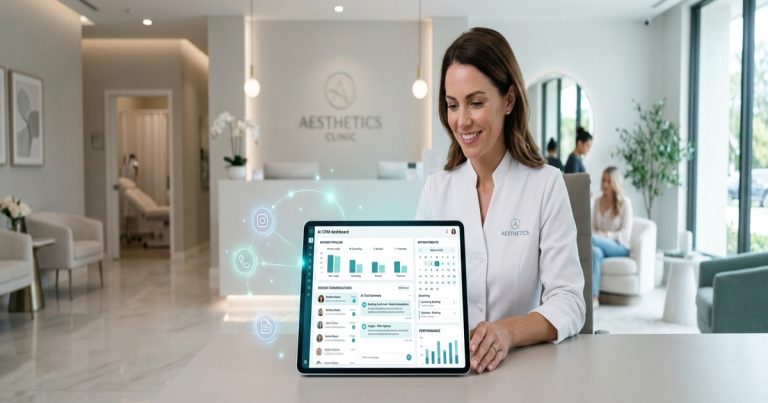
AI CRM is transforming how aesthetic clinics manage patient communication, lead conversion, and long-term retention. Clinics are losing qualified leads...
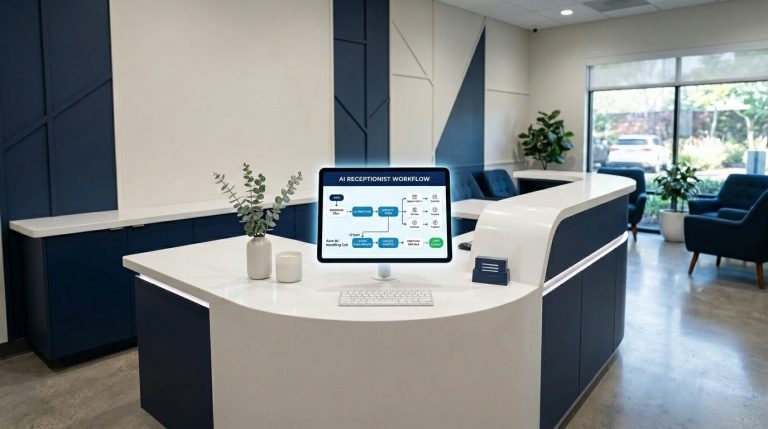
An AI answering service for medspa platforms is redefining how aesthetic clinics handle patient communication. Every missed call is a...