
AI CRM vs. Traditional CRM: Which Drives Higher Patient Conversion?
AI CRM is reshaping how plastic surgery and aesthetic practices manage patient relationships, respond to inquiries, and convert leads into...


The latest news and expert insights for aesthetic practices.
Published on: May 14, 2026
Go Back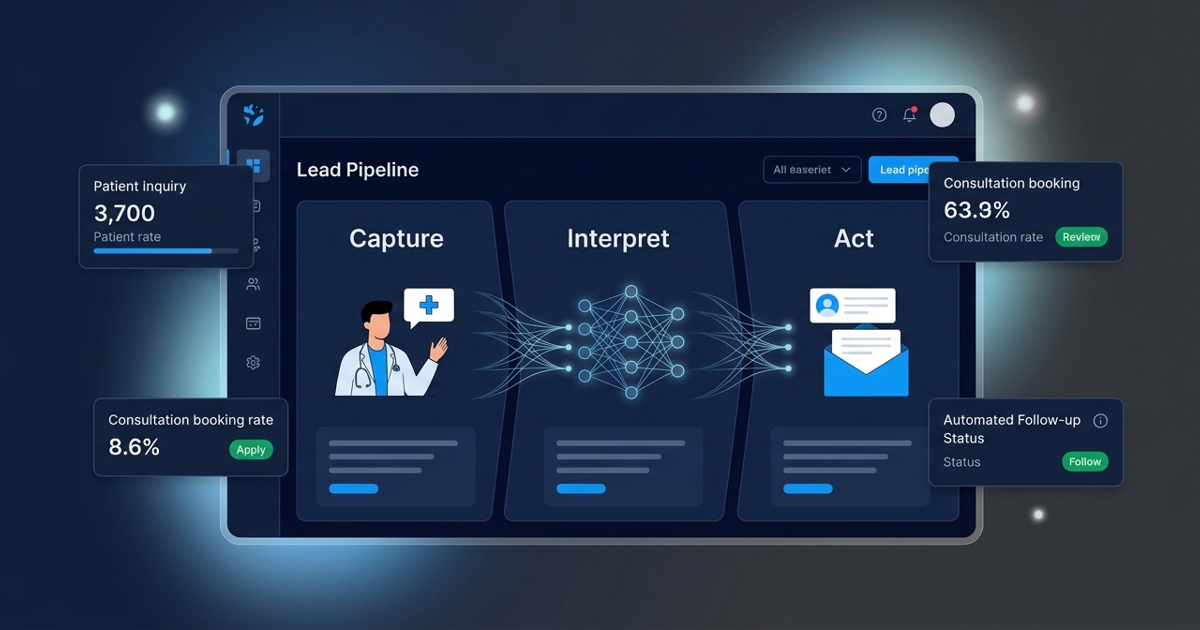
AI CRM is fundamentally changing how aesthetic clinics handle lead management. Traditional methods rely on manual follow-ups, disconnected spreadsheets, and reactive communication strategies that consistently result in missed opportunities. For plastic surgery and medspa clinics operating in a competitive landscape, every missed lead translates directly into lost revenue. This blog explores how AI CRM platforms powered by capture-interpret-act intelligence are replacing outdated systems and reshaping patient acquisition workflows for aesthetic practices seeking smarter lead conversion.
Modern plastic surgery CRM solutions streamline lead tracking, automate follow-ups, and improve conversion rates across the patient journey.
Traditional plastic surgery lead management software was not designed for the speed of modern patient expectations. Most legacy systems require staff to manually enter lead data, send follow-up emails, and track consultation stages using disconnected tools. This creates significant gaps in the patient journey, especially during high-traffic periods like promotional campaigns or peak consultation seasons.
For aesthetic clinics, this speed gap is particularly costly. Patients researching rhinoplasty or body contouring procedures often submit inquiries to multiple clinics simultaneously, and the first to respond professionally tends to win the consultation.
The capture-interpret-act framework is a three-phase operational model embedded within modern AI CRM systems. This framework transforms raw lead data into structured, actionable intelligence that drives conversion at every stage of the patient acquisition journey.
The capture phase ensures that no lead inquiry is missed, regardless of the channel it originates from. Whether a prospective patient submits a web form, sends an Instagram DM, calls the clinic after hours, or clicks a paid ad, an AI-powered system logs and consolidates all interactions into a single patient profile. This capability is central toplastic surgery lead management software that operates across omnichannel environments. Traditional systems often require separate tools for each channel, creating data silos that make lead tracking inconsistent.
Once a lead is captured, the interpret phase applies AI logic to understand the lead’s intent. The system analyzes which procedure the patient is interested in, what communication channel they used, when they are most likely to respond, and what stage of the decision-making journey they are in. For med spa CRM platforms, this might mean distinguishing between a patient researching Botox pricing and one ready to book a consultation immediately. This level of segmentation allows clinics to prioritize high-intent leads and allocate staff resources more effectively.
The act phase triggers automated, personalized responses based on the interpreted data. For example, a lead expressing interest in a Brazilian butt lift procedure at 11 PM will receive an immediate AI-generated acknowledgment, a procedure overview, and a consultation booking link before the clinic opens the next morning. This is the core value of AI lead conversion software for medspa environments: consistent, intelligent action without human delay. According to PwC research on customer experience, 73% of consumers say that experience is a key factor in their purchasing decisions. Nearly 80% point to speed, convenience, and knowledgeable service as the most important elements. For aesthetic clinics, that experience begins the moment a lead sends their first message.
One of the most critical requirements for any plastic surgery CRM is full compliance with HIPAA regulations. Patient data in aesthetic practices is protected health information. Any CRM tool that handles consultation inquiries, treatment history, or communication preferences must operate within strict data security standards.
A HIPAA compliant plastic surgery CRM ensures that lead data is encrypted in transit and at rest. Access is role-based and auditable, automated messages avoid exposure of sensitive patient details, and data retention policies align with federal requirements. Platforms built with HIPAA-compliant workflows embedded at the infrastructure level give clinics a significant advantage over general-purpose CRM systems designed for retail or SaaS industries that lack healthcare-specific data governance.
The gap between a submitted lead inquiry and a confirmed consultation appointment is where most aesthetic clinics experience their highest dropout rate. A med spa CRM with lead management capabilities closes this gap by automating every touchpoint between initial inquiry and booked appointment.
Consider a typical patient journey. A prospective patient sees a medspa’s Instagram ad for laser skin resurfacing, clicks the link, and fills out a contact form at 9:30 PM. In a traditional workflow, that lead sits in an inbox until a staff member reviews it the following morning. With an AI-powered system, the lead is immediately captured, tagged by procedure interest, and sent a personalized response within minutes. A follow-up sequence is then triggered over the next 48 to 72 hours, including educational content about the procedure, a patient testimonial, and a direct booking link.
This type of structured nurturing is only possible when plastic surgery lead management software is integrated with AI automation. It removes the dependency on staff availability and creates a consistent experience for every lead, regardless of when or how they first made contact.
Not all AI-powered systems are created equal. When evaluating AI lead conversion software for med spas, clinic owners and practice administrators should assess the following capabilities.
• Omnichannel Lead Capture: The system should consolidate leads from web forms, social media, paid ads, phone calls, and SMS into a unified dashboard.
• Behavioural Segmentation: AI should categorize leads by procedure interest, urgency, and engagement level to enable prioritized follow-up.
• Automated Follow-Up Sequences: Pre-built, customizable drip sequences should trigger based on lead actions, not manual inputs.
• Appointment Booking Integration: Direct links to scheduling tools should be embedded within automated messages to reduce friction in the conversion process.
• HIPAA-Compliant Infrastructure: All data handling must adhere to healthcare privacy regulations without requiring manual configuration.
• Marketing ROI Tracking: The platform should attribute lead sources to specific campaigns, enabling data-driven budget decisions.
• AI Answering Capabilities: An AI receptionist function should handle after-hours inquiries, reducing missed leads during evenings and weekends.
AI CRM does not stop working once a consultation is booked. Post-booking automation is equally important for reducing no-show rates and building long-term patient retention. Automated appointment reminders, pre-consultation preparation guides, and post-treatment follow-up messages all contribute to a stronger patient experience.
For medspa and plastic surgery practices, retention is a revenue multiplier. A patient who returns for maintenance treatments, additional procedures, or refers a friend represents significantly higher lifetime value than a one-time consultation. AI-powered systems track patient communication history, treatment preferences, and engagement patterns to identify re-engagement opportunities that manual processes would otherwise overlook.
AI CRM platforms built on capture-interpret-act logic represent a fundamental shift in how plastic surgery and medspa clinics approach lead management. By automating the capture, interpretation, and action phases of the patient acquisition journey, these systems eliminate the delays, inconsistencies, and data gaps that define traditional workflows. A HIPAA-compliant plastic surgery CRM ensures that this automation operates within the regulatory boundaries that healthcare practices require. As patient expectations rise and competition increases, clinics investing in intelligent lead management will grow more sustainably.
An AI CRM uses machine learning and automation to capture, interpret, and act on lead data in real time. Unlike traditional systems that rely on manual entry and follow-up, AI CRM platforms analyze patient behaviour continuously. They trigger personalized responses automatically. This removes the need for staff involvement in routine follow-ups. It makes them more effective for plastic surgery clinics.
Yes. Patient inquiry data, treatment interests, and communication records are all classified as protected health information. A HIPAA-compliant plastic surgery CRM ensures patient data is encrypted, access-controlled, and securely managed. It follows federal healthcare privacy regulations.
A med spa CRM with lead management automates every touchpoint from inquiry to booked consultation. It sends immediate responses and personalized follow-up sequences. It also includes direct booking links. This reduces lead waiting time, which is a major cause of drop-off in manual workflows.
The capture-interpret-act framework is a three-phase model. The AI logs all incoming leads across every channel. It analyzes their intent and urgency. It then triggers personalized automated responses. These responses guide the lead toward booking a consultation. No manual staff input is required.
AI lead conversion software for med spas is designed to operate continuously. An AI receptionist function captures and responds to inquiries submitted outside of business hours. This ensures that prospective patients receive an immediate acknowledgement and a booking path regardless of when they reach out to the clinic.
An AI CRM platform attributes each lead to its original source campaign, whether that is a paid social ad, Google search, or email campaign. This helps clinics identify which channels generate the best-quality leads. It also allows budget allocation based on performance data.
Plastic surgery lead management software integrates with web contact forms, Instagram and Facebook DMs, Google Ads landing pages, SMS, and inbound phone calls. It consolidates all leads into one dashboard. This ensures no inquiry is missed. It captures every patient contact regardless of source or timing.
Post-booking automation in an AI CRM sends appointment reminders and confirmation requests at set intervals. It also shares pre-consultation preparation content before the visit. This keeps patients engaged and informed. It reduces no-shows and improves consultation attendance. It also increases operational efficiency for aesthetic practices.
When evaluating AI lead conversion software for med spas, owners should prioritize HIPAA compliance, omnichannel lead capture, behavioral segmentation, and automated follow-up sequences. Direct appointment booking integration is also important. Platforms that provide marketing ROI attribution give practices a complete system for sustainable patient acquisition growth.
Yes. A med spa CRM includes HIPAA-compliant data handling, lead segmentation, and automated consultation workflows. General-purpose CRMs built for retail or SaaS do not natively support these capabilities. This reduces the need for costly customizations or third-party compliance add-ons.
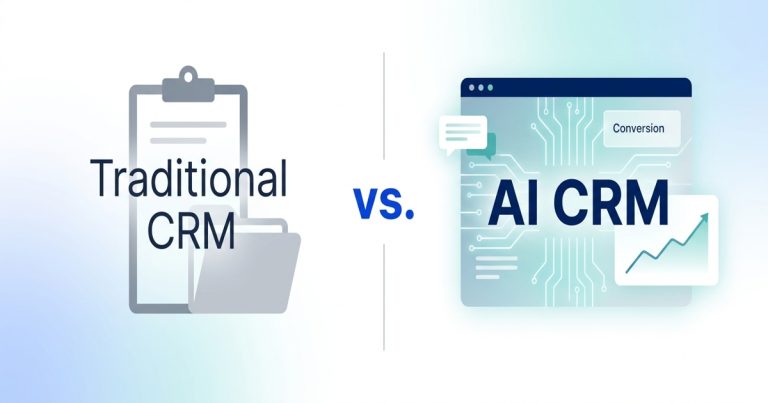
AI CRM is reshaping how plastic surgery and aesthetic practices manage patient relationships, respond to inquiries, and convert leads into...

AI CRM is redefining patient communication for aesthetic practices, plastic surgery clinics, and medical spas. Patients today expect instant, personalized...
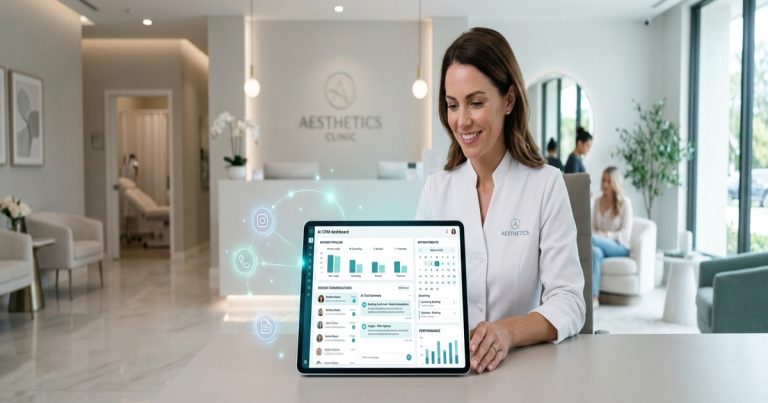
AI CRM is transforming how aesthetic clinics manage patient communication, lead conversion, and long-term retention. Clinics are losing qualified leads...